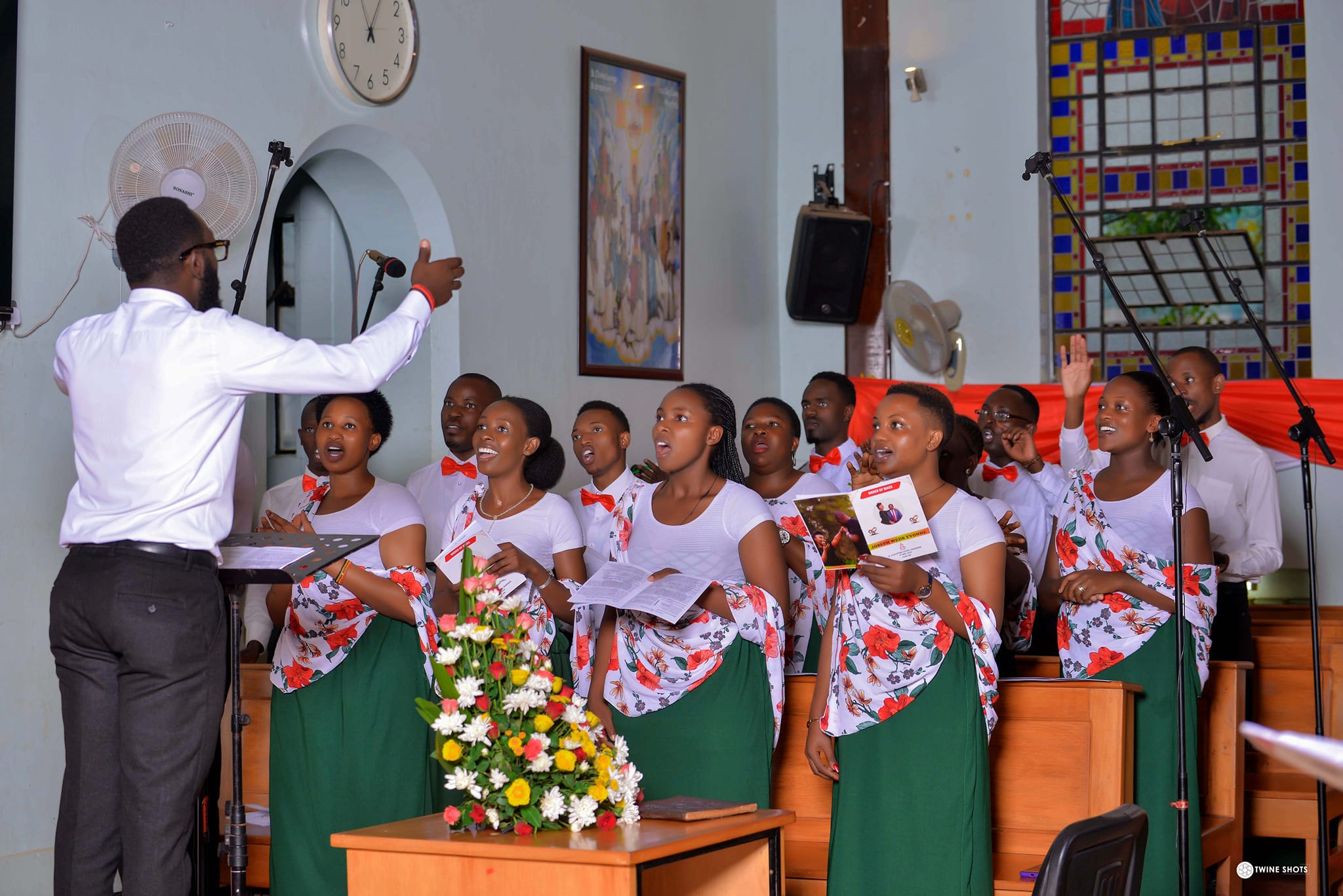
The Divine Harmony: Exploring the Role of Music in Worship and Theology
Music has always played a central role in Christian worship and theology, acting as a bridge between the divine and the human. From the earliest days of the Church, hymns have been used to express deep theological truths, unite congregations, and elevate the soul towards God.
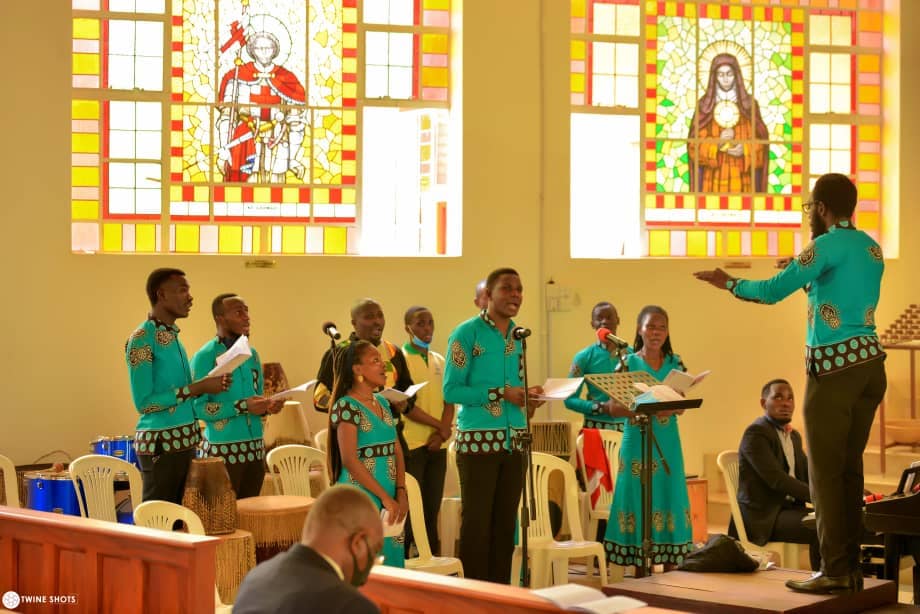
In Catholic tradition, sacred music isn’t just an art form—it’s a form of prayer. The melodies and harmonies of hymns during Mass serve to deepen the spiritual experience, creating an atmosphere where worshippers can feel the presence of the divine. The Psalms, known as the Bible's songbook, have long been a source of inspiration, with their poetic verses serving as hymns of praise, lament, and thanksgiving.
He who sings well, prays twice
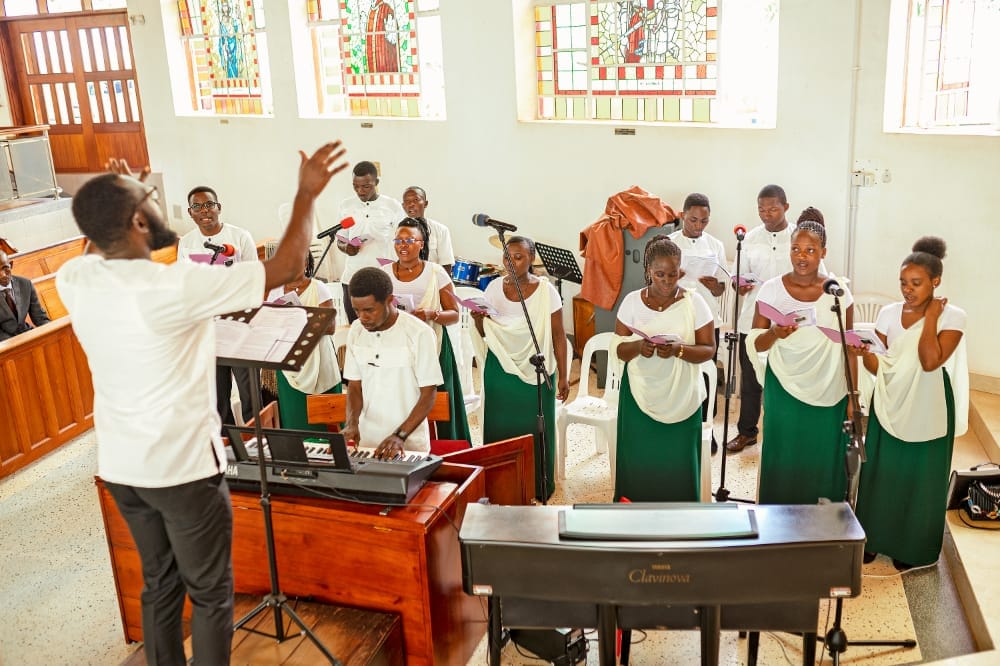
Music in worship transcends cultural and language barriers, bringing people together in a shared spiritual experience.
Lets sing and worship God
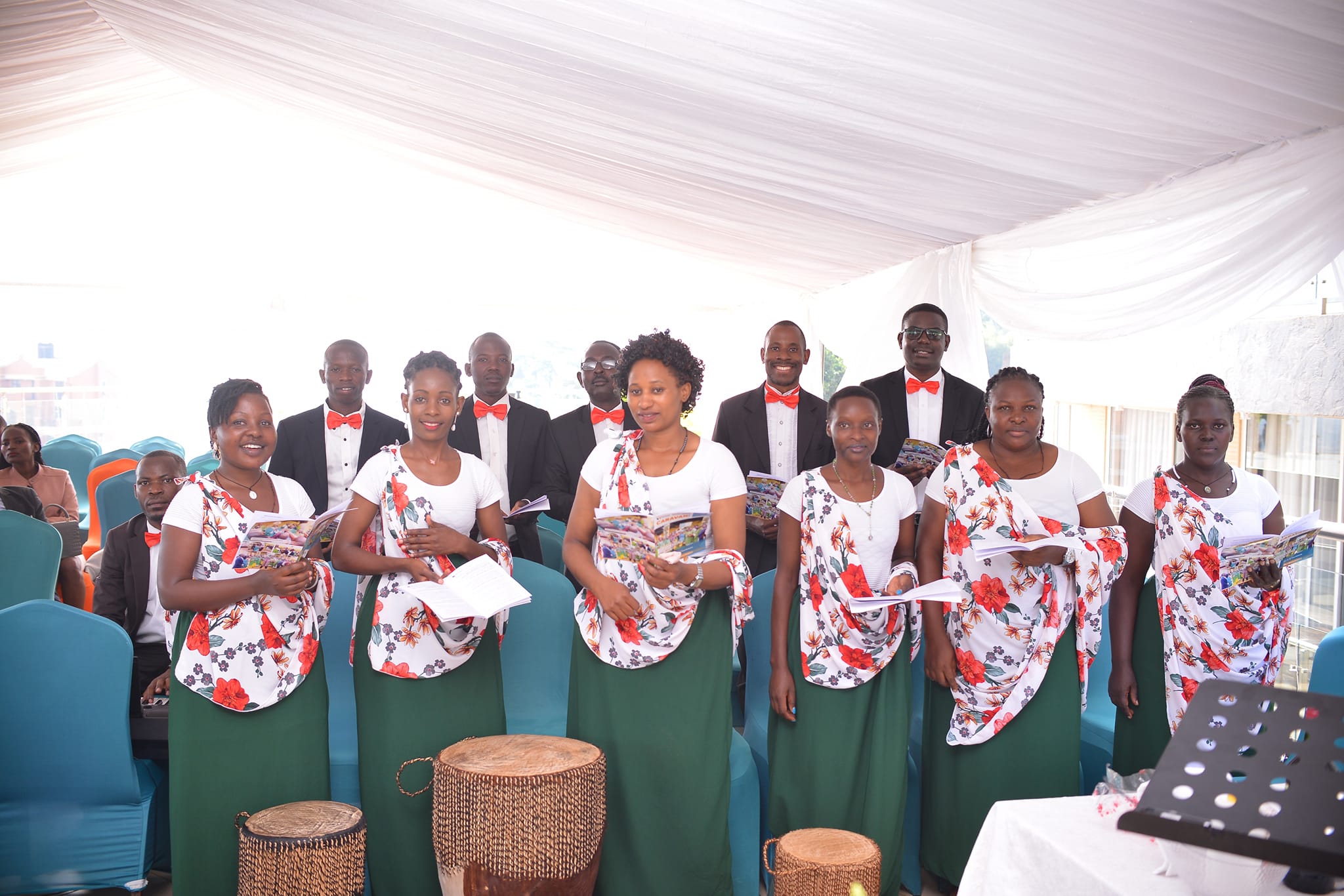
Whether it’s a traditional Latin chant, a Swahili hymn, or a Runyankole praise song, music allows believers to express their devotion and celebrate their faith in a way that words alone often cannot.
Good Music Heals the Soul.
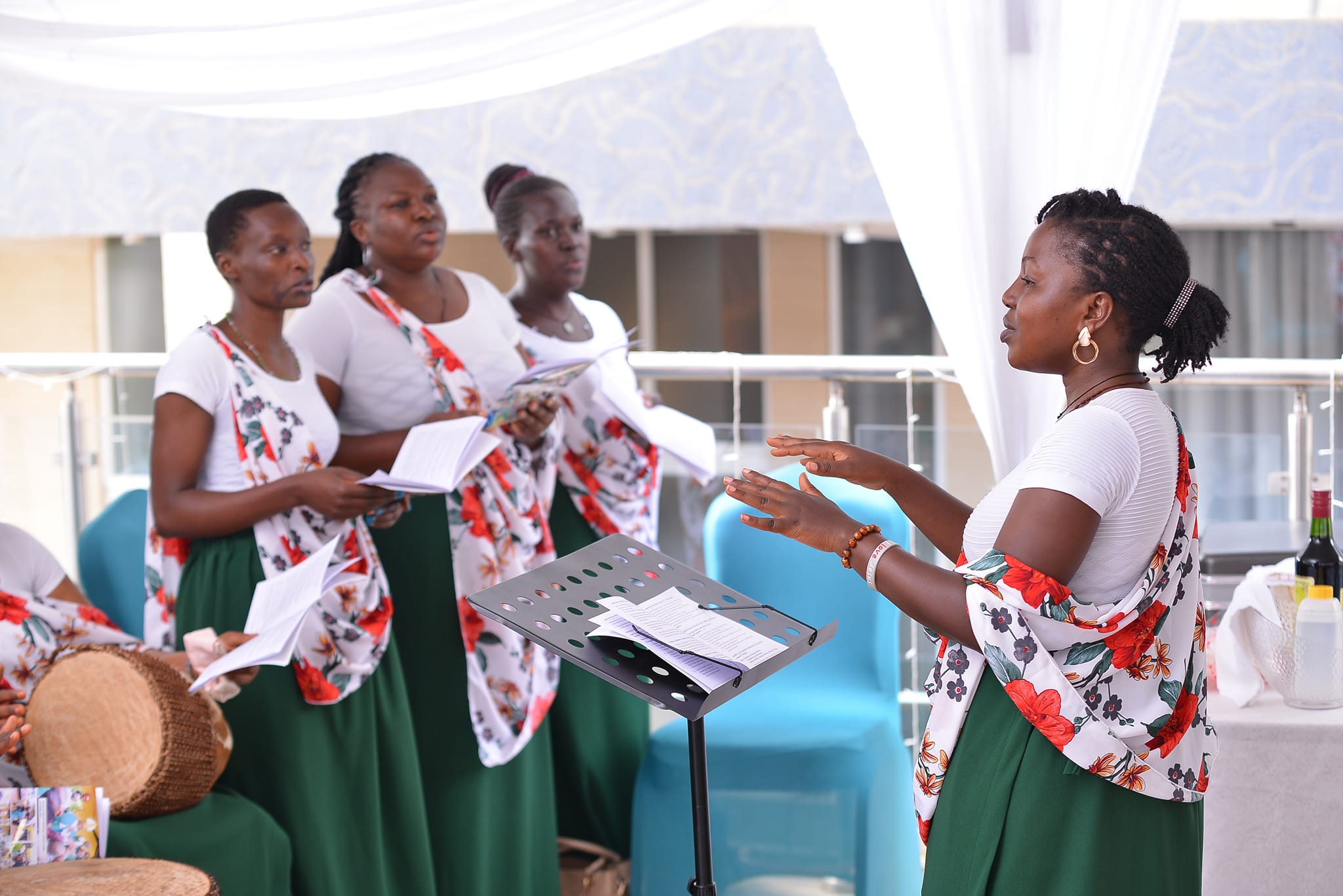
Theologically, music also reflects the harmony of creation. Just as God’s creation is ordered and purposeful, so too is the structure of a hymn or a liturgical chant. Every note, rhythm, and lyric is designed to glorify God, reflecting His beauty, love, and order.
In conclusion, music in worship is more than just a tradition—it is a vital component of Christian spirituality and theology. It enables believers to enter into deeper communion with God, transforming hearts and minds through the divine harmony of sound and prayer.






Georgia R Reply
Music truly is a universal language, and it's amazing how it connects us to God, no matter the language or culture. This blog really captures the essence of that experience!